Failure to capitalize on ideas
When you ask about failures, the first thing that comes to mind was a critical lack of capitalization of my ideas. I thought money was not a good thing. I was so concerned with addressing what I understood as a climate catastrophe, that I gave away my ideas. I took the environmentally sustainable high ground and did not profit from my ideas. If I’d profited, I would have been able to use the money for what I wanted to do. I could have funded the environmental projects I knew were necessary to create a more sustainable future. At the time I was proud of myself, now I think, ‘You numty. You should have capitalized on those ideas.’Failure to Focus
In the mid-1980s, I started an environmental consultancy. I was getting clients that surprised me. I was absolutely overwhelmed by the number and quality of clients that I was signing contracts with. Those clients included British Rail, British Telecom, and others. I was doing the assessments on the potential of mobile communications, land remediation andbiomass research. Here I was, in my mid-twenties, and I was literally bowled over. I was failing to have a focus in my work. Instead, I was doing the math and figuring that with all this work, I would be able to retire at 35. I wasn’t going to hire anyone. I was going to do it myself. At the time, I didn’t know how to build a business. I mean: a proper business. I was up at 4 am each morning and home at 10 pm. The end result was one sick bloke. If I’d known how to build a business properly, I would have been rocking and rolling.Failure to communicate positively
Lately I’ve been working with Satish Kumar, and it has been fascinating. He has spent his career using principles of non-violence to work for peace. He looks at sustainability work from the point of view of soul, soil, and society. The soul is you. Soil is nature. Society is the community around us. We’ve failed badly as sustainability practitioners because we were scaring the living daylights out of people. What we were learning; about how climate was changing and would change was frightening. It was natural for us to want to scare others as badly as we’d been scared ourselves. If I’d known more about Buddhism and Gandhi’s way of doing things, with positivity, non-violence, and aspiration for the future, I could have communicated more effectively with people. I see now that nonviolence is far more effective. If we’d been thinking in this way from the start, would we be further along as environmental practitioners? I think so.5 sustainable innovations to embrace
What are the technologies that most excite Mike in terms of cleantech and sustainable living? Energy storage When we hear cryogenic, we might immediately think about Fry from Futurama. Mike thinks about fuel storage. He is excited about the possibilities of cryogenic and hydrogen fuel storage cells to decentralize energy delivery.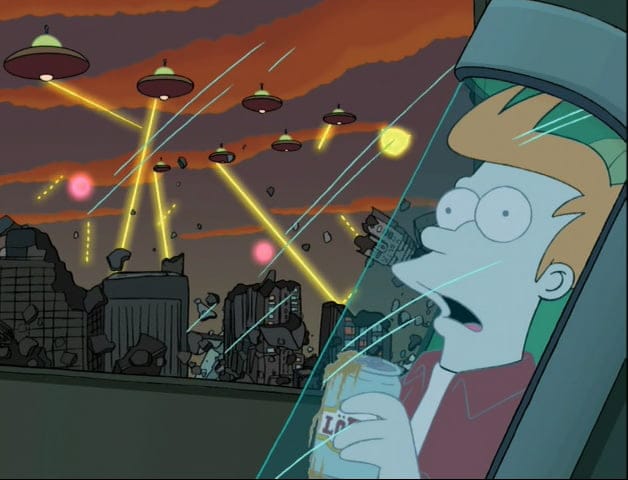 Personal farming
Big farming can’t be the only answer to feeding the world. Even the smallest living spaces can be used to grow foods. Mike is interested in micro greenhouses for growing power foods.
Personal farming
Big farming can’t be the only answer to feeding the world. Even the smallest living spaces can be used to grow foods. Mike is interested in micro greenhouses for growing power foods.

Photo by Julie Gibbons – Flickr: broccoli sprouts, CC BY 2.0
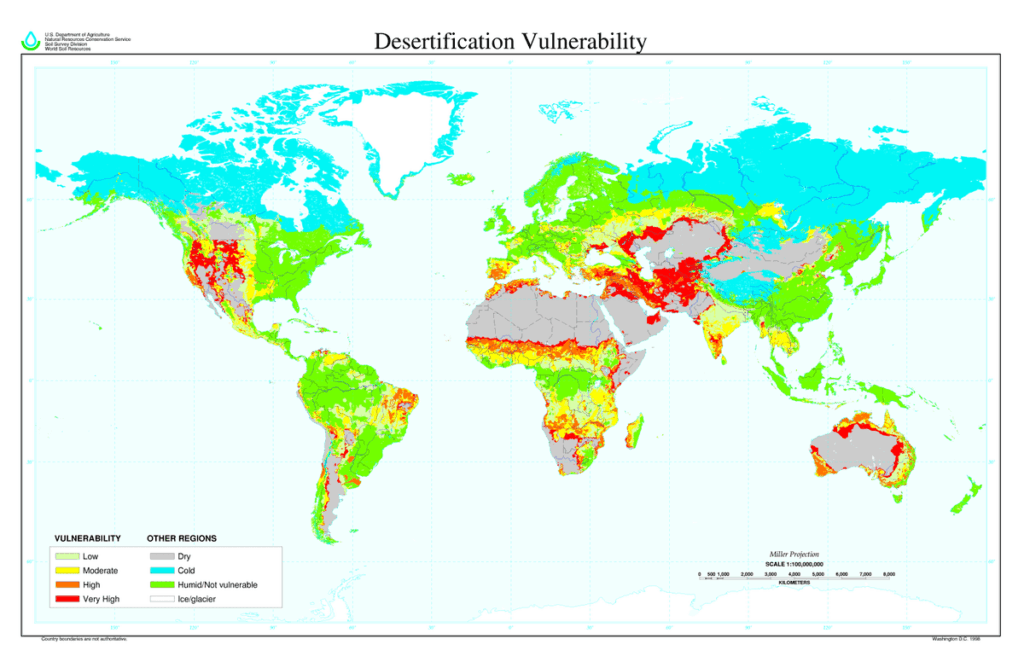
Map from US Department of Agriculture , Public Domain